The Neighborhood Vet Blog
Don’t Let Summer Stress Out Your Pet: Common Seasonal Triggers and How to Help
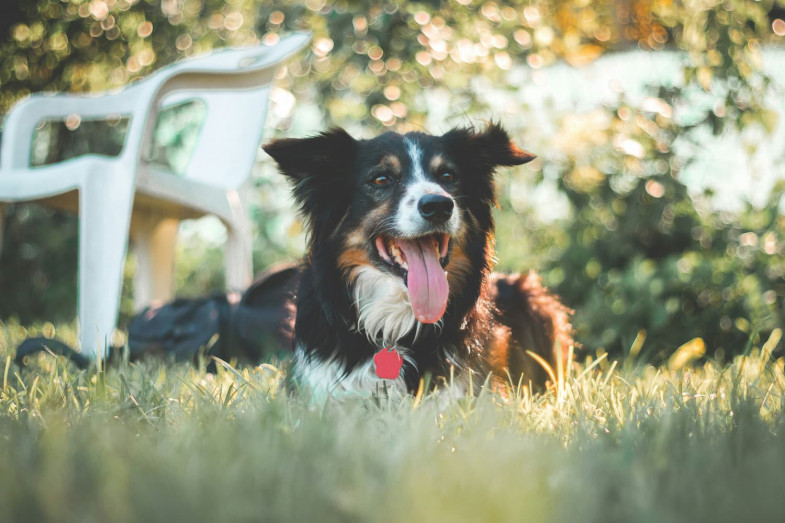
Summer often brings longer days, outdoor adventures, and more time spent with family. It sounds like a dream for pet owners, but for many pets, the season can feel overwhelming. In the past, have you noticed your pet pacing more, hiding during the day, or acting out of character? These subtle changes may be signs that summer stress is taking a toll.
Understanding what triggers pet anxiety in summer can help you step in early and keep your companion comfortable, safe, and happy.
Why Summer Can Be Stressful for Pets
While humans look forward to sunshine and vacations, pets thrive on routine. Summer tends to disrupt that sense of predictability. Kids are home more often, schedules shift, and homes can feel busier than usual.
On top of that, rising temperatures can cause physical discomfort. Pets cannot regulate heat as efficiently as people, which can lead to heat stress. Add in loud noises from storms or fireworks, and it becomes clear why some pets struggle during this time of year.
Common Signs of Stress in Pets
Pets express anxiety in ways that are easy to miss if you are not looking closely. Keep an eye out for these changes:
- Increased panting or pacing, even when resting
- Hiding or avoiding interaction
- Loss of appetite or changes in eating habits
- Destructive behavior or accidents in the house
- Clinginess or unusual aggression
If your pet is showing any of these signs, it may be time to take a closer look at their environment and daily routine.
Top Summer Stress Triggers for Pets
Heat and Humidity
Warm weather can quickly become uncomfortable, especially for pets with thick coats or shorter snouts. Pet heat stress is more than just feeling warm. It can become a serious health concern if not addressed. Additionally, humidity can contribute to the development of hot spots. These are uncomfortable to pets, and often cause them to lick, bite or chew at an affected area.
Fireworks and Loud Noises
Summer celebrations often include fireworks, which can be frightening due to their unpredictability and volume. Even thunderstorms can trigger similar reactions.
Travel and Boarding
Family vacations are exciting, but they can be confusing for pets. Whether they are traveling with you or staying in a new place, changes in the environment can lead to anxiety.
Fleas, Ticks, and Mosquitoes
Summer is the peak season for pests. Bites and infestations can cause discomfort and increase restlessness. These parasites can transmit diseases, making prevention critical to the health of both your pets and your family members.
Increased Social Activity
More visitors, gatherings, and outdoor events can overstimulate pets. Even friendly animals may need quiet time away from the activity.
How to Help Your Pet Stay Calm and Comfortable
The good news is that there are simple ways to reduce summer pet stress and help your companion feel more at ease.
- Create a cool, quiet space where your pet can relax away from noise and activity
- Maintain a consistent feeding and walking schedule as much as possible
- Offer enrichment toys or puzzle feeders to keep their mind engaged
- Provide plenty of fresh water and limit outdoor time during peak heat
- Use veterinarian-recommended calming products if anxiety becomes noticeable
- Monitor skin changes in your pet
Small adjustments can make a big difference in how your pet experiences the season.
Preventive Care Matters in Summer
Preventing problems before they start is one of the most effective ways to support your pet’s health. Staying current on flea and tick prevention and heartworm prevention is especially important during warmer months when parasites are most active.
Routine wellness visits also give our veterinary team the chance to assess your pet’s overall health and catch early signs of stress or illness. If your pet is due for vaccinations, summer is a great time to get them updated, especially if they will be socializing or traveling.
When to Seek Help from Our Veterinary Team
While mild stress can often be managed at home, some situations call for professional support. Reach out to our veterinary team if you notice:
- Ongoing anxiety that does not improve
- Signs of heat exhaustion such as excessive drooling, vomiting, or weakness
- Scratching, chewing or biting at the skin
- Behavioral changes that escalate or become concerning
Early intervention can prevent more serious health issues and help your pet feel better sooner.
A Calmer, Happier Summer Starts Here
Summer should be a season your pet can enjoy right alongside you. By recognizing the signs of pet anxiety in summer and addressing common triggers, you can create a more relaxed and positive experience for your companion.
If you have questions about summer pet safety or need help choosing the right preventive care, schedule an appointment with our veterinary team.
Image credit: Daniel Plan | Unsplash